Dating While Travelling: What to Know Before You Swipe Abroad
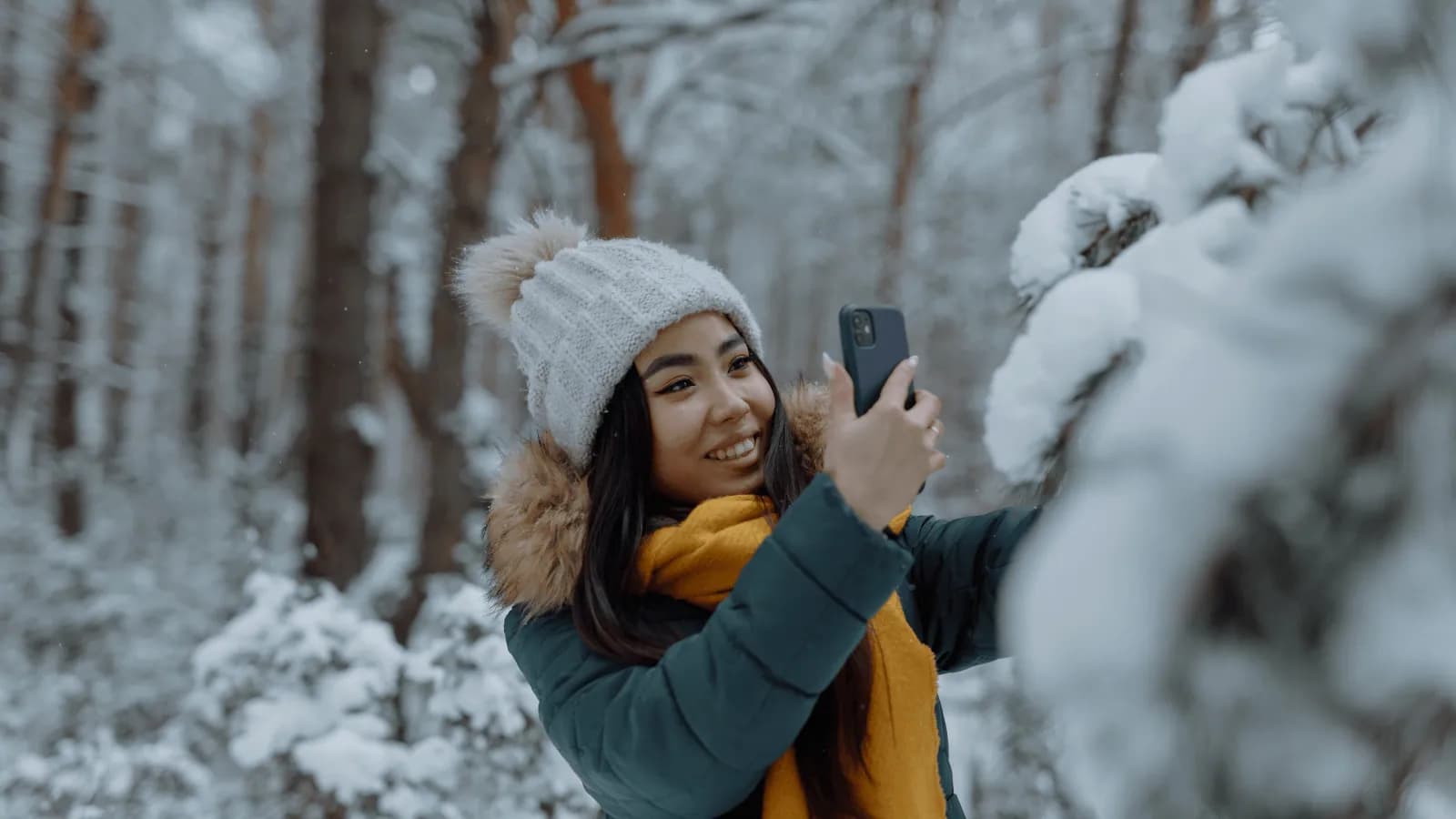
In a new city, meeting someone can feel more open than it does at home.
You are outside your usual routines, away from familiar social circles, and moving through a place that has not yet become predictable. A conversation that might feel ordinary in your own city can take on a different ease in Bangkok, Tokyo, Seoul, Hong Kong, Taipei, Kuala Lumpur, or Bali, because the setting gives it room to feel separate from everyday life.
That is part of the appeal of using dating apps while travelling.
Travel can make people more curious, more receptive, and more willing to meet someone outside their usual patterns.
- A short work trip can feel less solitary.
- A solo holiday can feel more personal.
- A city you were only passing through can suddenly feel warmer because there is someone to meet for coffee, dinner, conversation, or a walk through a neighbourhood you might not have found alone.
But dating abroad also changes the conditions around trust.
- You may not know the city well.
- You may not have your usual support network nearby.
- You may be staying in temporary accommodation, without the same familiarity you have at home.
- You may be more visible as a visitor.
- You may be relying on your phone more heavily than usual, not only for communication, but for navigation, transport, translation, payment, and getting back safely.
That does not mean dating while travelling should feel risky or restrictive.
It means the experience works best when openness is balanced with privacy, discretion, and control.
The best dating abroad tips are not about removing the spontaneity from travel. They are about making sure that if you choose to meet someone in a new country, you do so with enough information, enough boundaries, and enough safety built into the experience.
Why people use dating apps while travelling
The appeal is easy to understand.
Travel changes how people move through the world. A new city can make someone more alert to possibility, more present in the moment, and more willing to say yes to experiences that would feel unlikely in everyday life. That openness naturally extends to meeting people abroad.
For some travellers, the interest is social. They want local recommendations, a dinner companion, or a more personal way to experience the city.
For others, the interest is romantic. Being away from familiar routines can create space for a connection that feels separate from ordinary life, with fewer expectations from existing social circles.
For frequent travellers, the reason can also be practical. Someone who travels often for work or lifestyle may spend a meaningful part of their life outside their home city. If dating is limited only to the time they spend at home, connection can start to feel unnecessarily confined. Using dating apps while travelling can make time away feel more socially open, without requiring someone to put their personal life on hold until they return.
There is also the possibility that a connection becomes more than a brief meeting.
Not every travel connection is temporary. Some people return to the same cities often. Some meet others who also travel frequently. Some conversations begin during a short stay and continue because the interest is strong enough to survive distance.
The important question is not whether a connection abroad leads to something casual, romantic, social, or long-term.
It is whether the experience begins with enough safety, clarity, and respect for both people to feel comfortable exploring it.
What changes when you date in a new country
Dating in a new country is not the same as dating at home.
The basic steps may seem familiar: browse profiles, start a conversation, decide whether to meet. But the context around those decisions changes once you are in a different country.
At home, you are usually reading the situation with more built-in knowledge. You know which areas feel comfortable, how transport works, what a reasonable meeting point looks like, and who you can contact if something feels wrong. You may also have more social context. A person’s neighbourhood, work, lifestyle, or wider social cues may be easier to understand because they sit within a culture and city you already know.
Abroad, much of that context is less immediate.
- A neighbourhood may seem central on a map but feel different at night.
- A meeting point may appear convenient until getting back becomes more complicated than expected.
- A person may sound confident or well-connected partly because you are less familiar with local norms. Even a request that would seem unusual at home may be harder to assess when you are still orienting yourself in an unfamiliar place.
That is why travel dating safety matters.
The point is not to distrust everyone you meet. It is to recognise that unfamiliar settings can make ordinary dating decisions carry more weight.
- Where you meet matters more.
- How much you share matters more.
- How quickly you move off-app matters more.
- How you get back to your accommodation matters more.
When you are travelling, good judgement is not about being suspicious. It is about staying in control of your choices.
Check your dating app privacy settings before you travel
Before using a dating app in a new country, take a moment to review what the app can reveal about you.
Dating app privacy settings while travelling are easy to overlook because most people focus on who they might meet. But those settings shape how visible you are, what others can infer, and how much control you keep before trust has developed.
Start with location settings.
Many dating apps use location access to show nearby profiles. That can be useful when travelling, but it is worth checking whether an app uses approximate location, precise location, or ongoing location access. Review both your phone settings and the app’s own location controls before you start browsing.
Then review profile visibility.
If the app offers Incognito Mode, hidden profile settings, or controls over who can see you, check that they are set the way you want. This matters especially if you are travelling for work, visiting a smaller city, or spending time somewhere where discretion matters more.
Check activity indicators as well.
Some apps show whether you are online, recently active, nearby, or newly present in a location. These signals may seem subtle, but they can make you more visible than expected. When travelling, it is worth deciding how much activity you want others to see.
Private media settings also matter.
Clearer or more personal photos should not have to be public by default. If an app allows private photos or videos, use those controls carefully and grant access only when you feel comfortable.
Finally, consider who can contact you.
Some platforms allow anyone nearby to message. Others limit contact based on matching, verification, membership, or interaction settings. In cities with high tourist traffic, stronger contact controls can help reduce random, opportunistic, or low-effort attention.
A few minutes of privacy review before using a dating app abroad can prevent a lot of discomfort later.
How to assess someone before meeting abroad
When you are travelling, consistency matters.
A legitimate profile does not need to be perfect, overly polished, or filled with excessive detail. But it should feel coherent. The photos, profile details, conversation, and stated intentions should broadly make sense together.
Be cautious if someone avoids reasonable questions, gives vague answers about basic context, rushes intimacy, pushes for private contact details too quickly, or tries to move the conversation off-app before there is a clear reason to trust them.
Be especially careful with financial requests.
A request for money, help, a transfer, a deposit, a booking, a code, or an urgent personal favour should be treated as a serious warning sign. This is true anywhere, but it matters even more when you are abroad and may have less local support.
Verification markers, voice notes, profile videos, and profile context can help create confidence, but none of them should replace judgement. A person can sound warm and still ignore boundaries. A profile can look polished and still be misleading. A conversation can feel exciting and still move too quickly.
The safer approach is simple.
Let trust build through consistency.
A person who is genuinely interested should be able to continue a respectful conversation without pressuring you to share private details, leave the app, change your plans, or ignore your own boundaries.
Meeting safely while travelling
Meeting someone abroad can be enjoyable, but the first meeting should be planned with more care than usual.
Choose a public place.
A cafe, restaurant, hotel lobby, museum, gallery, shopping area, or well-known landmark is a better first meeting point than a private apartment, quiet street, isolated bar, or unfamiliar residential area.
Choose somewhere easy to find and easy to leave.
This matters more than it sounds. In a new city, even a short route can become confusing if the streets are unfamiliar, the language is different, or your phone battery is low. A meeting point should be simple to locate, simple to explain, and simple to exit from.
Research the neighbourhood before you go.
Check whether the area is busy, how you will get there, how you will get back, and whether transport is still available at the time you expect to leave. Do not rely on figuring this out under pressure.
Tell someone where you are going.
That person could be a travel companion, a friend at home, a colleague, or someone at your accommodation. Share the meeting location and a rough return time. Send a message when you are heading back.
Keep your accommodation private.
You do not need to share your hotel, apartment, room number, building name, or detailed itinerary early in the conversation. If someone insists on knowing where you are staying, slow down.
Keep your phone charged.
Navigation, translation, messaging, photos, transport apps, and payment tools can drain a battery quickly while travelling. A portable charger is a simple safety tool, especially if you are meeting someone in the evening.
Have your own way home.
Do not depend on the person you are meeting for transport. Know your route back before you leave, and keep a rideshare, taxi, or public transport option available where possible.
And most importantly, leave if something feels wrong.
You do not need to explain your discomfort in a way the other person accepts. A first meeting is not an obligation. If the tone changes, the plan changes, or the person makes you feel uneasy, you are allowed to end the date and go somewhere safer.
Why staying in-app matters more when travelling
When dating abroad, staying in-app for longer is one of the simplest ways to protect yourself.
Moving to another messaging platform can feel normal, especially if someone says they are more active there. But once the conversation leaves the dating app, important protections may become weaker.
The platform may no longer be able to moderate the conversation properly.
You may lose access to safety notices if the person’s account is later restricted or removed.
Shared media may no longer have the same protections against saving, forwarding, downloading, or screenshotting.
It may also become harder to report the full context of what happened.
This matters more when travelling because you are already operating with less local context. Keeping conversations in-app gives you more structure while trust is still forming.
A person who respects your safety should not pressure you to move elsewhere before you are ready.
How MatchCatch supports safer dating while travelling
MatchCatch is built around discreet companionship, intentional connection, and safer in-app communication. Those principles matter whether someone is dating at home or using dating apps while travelling.
MatchCatch is not built around swiping or casual match-chasing.
Users browse Discover more directly, take in profile context, and decide who feels genuinely worth approaching. That makes a difference when travelling.
In a new city, time and context are limited. A traveller should not have to rely only on photos, fast reactions, or a stream of low-effort matches. Personality, interest, lifestyle, and preference tags help users notice similarities at a glance, without relying only on long bios that people may skim or ignore. Shared tags make common ground easier to recognise before a conversation begins.
MatchCatch also uses design choices that reduce low-effort behaviour.
Men need Membership to send and read messages, which helps reduce spam, fake activity, throwaway outreach, and casual mass-messaging. Women can use MatchCatch free after completing the required verification checks. Women must complete face verification before they can interact or appear to men on Discover, and MatchCatch may require additional verification or review when reports, unusual activity, suspicious behaviour, or safety concerns arise.
Conversation quality is shaped by the app as well.
Low-effort openers such as “hi,” “hey,” “hello,” and “how are you” are blocked, helping move conversations away from generic outreach and toward more specific, considered starts. Prompts also help users begin with more context, which is especially useful when people are meeting across cities, cultures, or travel schedules.
Privacy controls are central to the experience.
Users can use display names, choose discreet public photos, keep clearer or more personal photos and videos private, manage visibility settings, use Incognito Mode, control private media access, and choose discreet app icon options. Screenshots are blocked in-app, and photos and videos cannot be saved, downloaded, forwarded, or shared from the app.
These controls are especially useful when travelling. They help users participate without feeling overexposed in a new city, while allowing clearer or more personal media to remain private until trust has developed.
MatchCatch does not require location permissions or collect live location data to decide where a user appears.
Instead, a user’s profile location is set by the user and can be adjusted from their profile at any time. Discover is organised around the location users have chosen, rather than continuous device-based location tracking.
Users can also use Discover filters to browse people from a specific country, which is especially useful when travelling, planning a trip, or connecting with people in a place they visit regularly.
This gives users more privacy and control. They can decide how they appear, where they want to browse, and who they want to discover without giving the app access to their real-time location.
MatchCatch also does not ask for access to a user’s phone contacts.
The app does not use a contact list to notify friends, colleagues, or other people in someone’s network that they have joined or are using MatchCatch.
That matters for privacy, especially when travelling. A person may want to keep their itinerary, location choices, or dating activity separate from their personal and professional circles. MatchCatch is designed to support that discretion, rather than turning someone’s dating activity into a social notification.
MatchCatch also restricts messages that attempt to share external contact details or move conversations too quickly elsewhere.
This helps keep early trust-building inside the platform, where moderation, reporting, and media protections can still apply.
MatchCatch is app-only.
This helps reduce misuse and limits some of the risks that can come with web access, account circumvention, or less controlled browsing environments. Account access is also designed with safety in mind. Instead of relying on traditional usernames and passwords, MatchCatch uses OTP-based sign-in, helping reduce risks linked to weak, reused, or compromised passwords while keeping access tied more closely to the user’s registered email or phone number.
The goal is not to make dating while travelling feel rigid or overly cautious.
It is to make it easier to meet people with more privacy, more control, and more confidence.
Dating abroad should still feel intentional
Travel can make connection feel more spontaneous, but spontaneity should not mean giving up privacy, judgment, or control.
A good travel dating experience allows room for openness while still respecting boundaries. It gives both people enough comfort to explore the connection without rushing into trust too quickly.
The best connections abroad often begin with that balance: curiosity without pressure, openness without overexposure, and enough discretion for the experience to feel enjoyable rather than careless.
That is especially important when using a dating app in a new country. The app should not simply show you more people nearby. It should help you decide who feels worth your time, how visible you want to be, and how much you want to share before trust has been established.
Dating while travelling can be exciting.
It can also feel calmer, safer, and more considered when the platform gives you the right controls from the start.
Frequently asked questions
Travel should make dating feel open, not exposed
Dating while travelling can make a city feel more personal.
An unfamiliar place can start to feel more vivid when there is someone to meet, whether the connection becomes a conversation, a dinner, a brief spark, or something that continues beyond the trip.
But meeting people abroad should not require giving up privacy, safety, or control.
The strongest travel dating experiences leave room for curiosity without pressure. They allow connection to feel spontaneous without becoming careless, and they give both people enough space to build trust at a pace that feels comfortable.
That is what makes dating abroad feel enjoyable rather than exposed: clarity, discretion, and the confidence that you can stay open without losing control of your own boundaries.
Discover MatchCatch, where privacy controls, safer in-app conversations, and more intentional connection travel with you.