Pig-Butchering Scams: What Daters in Southeast Asia Need to Know
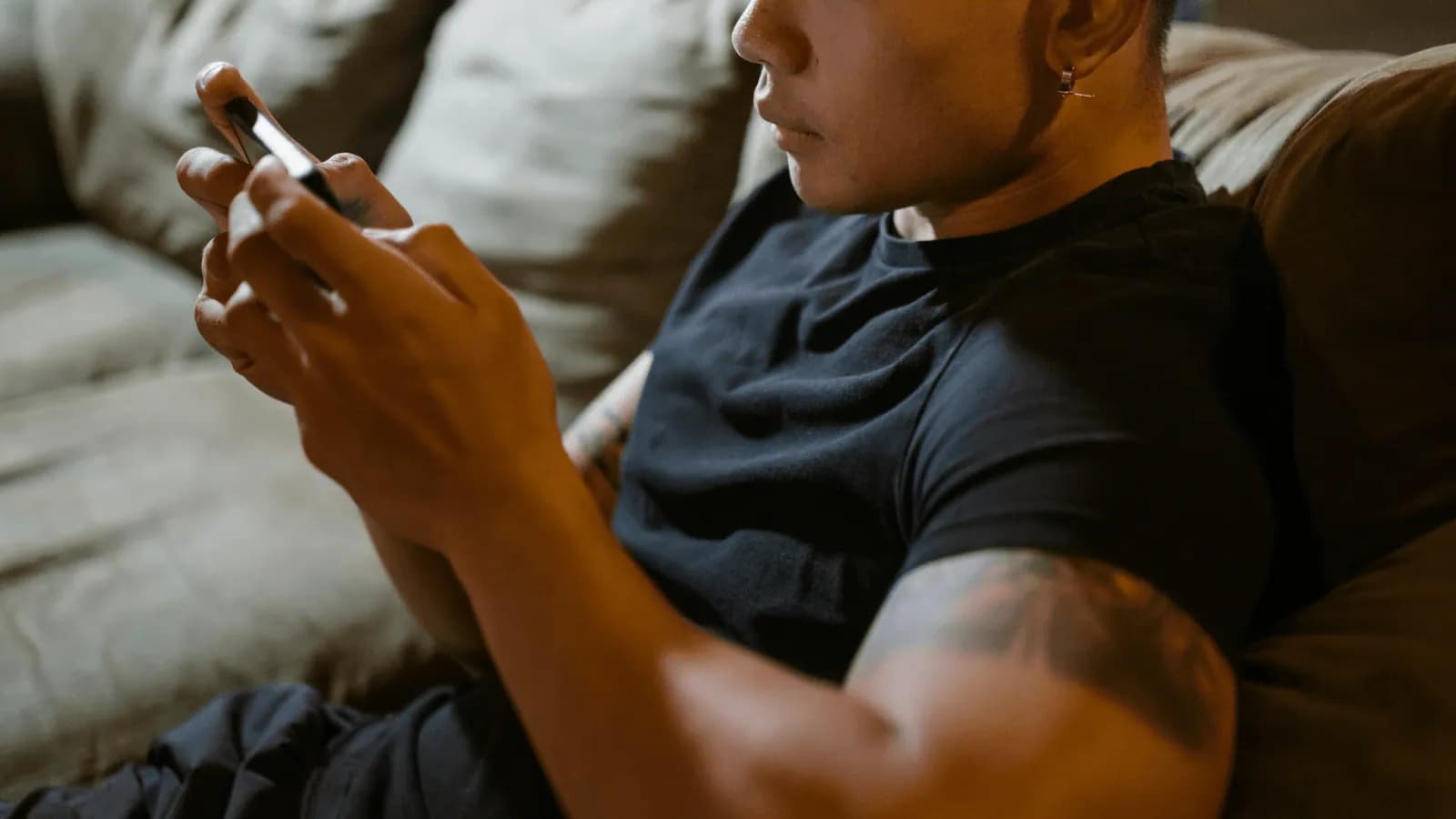
The name is deliberately harsh.
“Pig-butchering” is the term commonly used to describe a type of fraud where someone is slowly drawn in, emotionally invested, and then financially exploited. It is a cruel phrase, and it should never define the people targeted by it.
But the term matters because many people only find out what happened after they search for it.
A pig-butchering dating scam is not usually a stranger asking for money in the first few messages. It is slower than that. More polished. More emotionally convincing.
The person may seem warm, successful, attentive, and genuinely interested. They may not ask for anything at first. They may spend weeks, or even months, building what feels like a real connection before the financial trap appears.
That is what makes this form of online dating fraud so damaging.
The scam does not begin with money.
It begins with trust.
For daters in Singapore, Malaysia and across other parts of Southeast Asia, understanding this pattern is now part of dating safely online. Not because every online connection should be treated with suspicion, but because the most damaging scams are designed to feel sincere before they become financial.
The danger is not only that someone may be fake.
It is that someone may seem real long enough for an investment request to stop feeling like a red flag.
What is a pig-butchering dating scam?
A pig-butchering dating scam is a long-form romance-investment scam.
It often begins like an ordinary conversation.
- A dating app match.
- A message on social media.
- A friendly introduction through a messaging platform.
At first, the person may not talk about money at all.
- They may ask about your day, your work, your routine, or your family.
- They may remember small details.
- They may message consistently.
- They may seem emotionally available in a way that feels rare.
The profile may be carefully constructed too. The photos may be stolen, AI-generated, or chosen to project a certain lifestyle. The person may present themselves as successful but not arrogant, private but attentive, busy but still emotionally available.
The financial element usually appears later.
Once trust has formed, the person begins to mention an opportunity. It may be framed as cryptocurrency trading, foreign exchange, a private investment platform, a business arrangement, or a financial strategy that helped them become successful.
The offer may not sound like a request.
It may sound like help.
- They may say they want you to benefit too.
- They may frame it as a private “lobang,” a special opportunity, or a way to make money that they do not usually share with others.
- They may encourage you to start small.
- They may show screenshots of profits.
- They may guide you through a platform that looks polished and professional.
But the platform is often fake or controlled by the scammers.
The profits are manufactured.
The relationship is used as leverage.
Why this matters in Southeast Asia
Southeast Asia is closely connected to the global scam economy, both as a region where scam operations have been reported and as a region where online users are actively targeted.
That does not mean every scam originates from Southeast Asia.
It does mean daters in the region should understand why this pattern can spread so easily here.
Dating apps, messaging apps, social media, mobile payments, crypto platforms, and cross-border digital relationships are all part of everyday life. A dater in Singapore or Malaysia may be approached by someone who claims to move between cities for work, business travel, or overseas projects. The story may sound international, successful, and difficult to verify, giving the person repeated reasons to avoid meeting, delay real-time interaction, or move the conversation elsewhere.
That ambiguity can be useful to scammers.
- Distance explains why they cannot meet yet.
- A busy career explains delayed replies.
- Cross-border work explains complicated schedules.
- An impressive lifestyle makes the investment story feel more believable later.
This is why pig-butchering scams are not only financial scams. They are social scams. They use the normal texture of modern dating, travel, work, and messaging culture to make the story feel plausible.
And because the scam is built around emotional trust, it can affect people who are careful, educated, and financially aware.
Being targeted does not mean someone was naive.
It means the scam was designed to make caution feel unnecessary.
How the trust-building stage works
The most important thing to understand about pig-butchering scams is that they are patient.
That patience is the strategy.
- The scammer may not rush.
- In fact, they may seem calmer and more respectful than the obvious red flags people are taught to watch for.
- They may not ask for money.
- They may not immediately pressure you.
- They may not do anything that feels obviously unsafe in the beginning.
Instead, they build rhythm.
- A good morning message.
- A check-in after work.
- A thoughtful question.
- A remembered detail.
- A small vulnerability.
- A quiet compliment.
- A comment about future plans.
- A sense that the connection is becoming part of your day.
Over time, the relationship begins to feel established. The person may share stories about their family, career, past heartbreak, business pressure, or personal goals. They may position themselves as someone stable and successful, but still emotionally open.
That balance is deliberate.
Too perfect can feel suspicious.
But almost perfect can feel compelling.
The scammer wants to become someone whose advice feels personal rather than transactional. By the time money enters the conversation, it may not feel like a pitch from a stranger. It may feel like guidance from someone who has already earned your trust.
How the investment trap appears
The financial topic is usually introduced softly.
It may begin as a passing comment.
- “I’ve been getting good returns lately.”
- “My uncle taught me a trading method.”
- “I don’t normally share this with people.”
- “You can start small if you want to learn.”
- “There’s no pressure. I just thought it might help you.”
- “The timing is quite good now, but only if you enter early.”
This is where many people lower their guard, because the offer does not feel aggressive. The person may seem calm, generous, and patient. They may say it is entirely your choice. They may encourage a small first deposit, knowing that the first step matters more than the amount.
The platform may look convincing.
There may be charts, balances, transaction histories, account managers, customer service, and apparent profits. You may even be allowed to withdraw a small amount at first.
That early withdrawal is not proof that the platform is legitimate.
It may be part of the performance.
The purpose is to make the next deposit feel safer.
Then the next.
Then the next.
When you eventually try to withdraw a larger sum, the conditions change.
There may be taxes, processing fees, verification charges, frozen accounts, minimum deposit requirements, urgent deadlines, or a customer support team that sounds professional but is part of the same operation.
At that stage, the tone may shift. The person who once seemed caring may become anxious, disappointed, impatient, or insistent.
The emotional relationship becomes a tool to keep you paying.
Dating scam warning signs to watch for
No single sign proves that someone is running a pig-butchering dating scam.
The danger is usually in the pattern.
Pay attention if someone:
- Moves the conversation off the dating app very quickly.
- Pushes for Telegram, WhatsApp, Instagram, or another private channel early.
- Says they are rarely on the app but still wants to keep talking elsewhere.
- Builds emotional intimacy unusually fast.
- Seems attentive in a way that feels almost too perfectly timed.
- Presents an impressive lifestyle that is difficult to verify.
- Has repeated reasons they cannot meet in person.
- Avoids natural, real-time interaction.
- Talks often about finance, crypto, trading, business, or passive income.
- Introduces an investment opportunity, even casually.
- Encourages you to use a specific platform, broker, wallet, app, or website.
- Shows screenshots of profits or successful withdrawals.
- Says the opportunity is private, limited, low-risk, or guaranteed.
- Suggests starting with a small amount to “try it.”
- Becomes defensive when you ask practical questions.
- Discourages you from discussing the opportunity with friends, family, or your bank.
- Creates urgency around timing.
- Connects money with trust, loyalty, or the future of the relationship.
The clearest red flag is simple:
A person you met through dating should not be guiding your financial decisions.
- It does not matter how kind they seem.
- It does not matter how successful they appear.
- It does not matter how long the conversation has been going.
If a romantic connection starts to turn into financial guidance, slow down immediately.
Why moving off-app matters
Pig-butchering scams often depend on moving the conversation away from the dating platform.
That is deliberate.
A safer dating app may have moderation tools, reporting systems, account review, blocking features, verification checks, and safety controls. Once the conversation moves to a private messaging app or social platform, those protections may become weaker or disappear entirely.
Moving off-app can also give the other person more direct access to you:
- A phone number.
- A Telegram handle.
- A social media account.
- A private messaging username.
- A contact point they can keep using even if their dating profile is reported, blocked, or removed.
- It can also change what happens to your conversations and media. On external platforms, the other person may be able to screenshot chats, save photos or videos, forward content, or keep records outside the safety tools of the dating app.
In more serious cases, saved conversations, personal details, or private media may be used for pressure, threats, or blackmail. Some dating scams are not investment-led. In other cases, the person may frame paid private content, intimate photos or videos, or private calls as a paid opportunity, sometimes even stating that you do not need to show your face. But once the conversation or media moves outside the app, the other person may refuse to pay, save or record the content, threaten to expose it, or use it for blackmail.
That does not mean every request to move off-app is suspicious.
But when someone pushes to leave the app early, especially before trust has formed, it is worth paying attention.
A genuine person can wait.
A scammer often tries not to.
Why fake investment platforms feel convincing
People often lose money because the scam does not feel obvious at the time. It is designed to make each step feel reasonable.
Fake investment platforms can look professional. They may have clean interfaces, charts, balances, transaction records, support teams, account managers, and withdrawal processes. The numbers may move. The profits may appear. The platform may even allow small withdrawals in the beginning.
That is part of the design.
- A displayed profit does not mean real money exists.
- A successful small withdrawal does not mean the platform is legitimate.
- A professional-looking dashboard does not mean the investment is real.
The platform is not there to help you invest.
It is there to make each next deposit feel safer than it is.
This is why “I saw the profits myself” is not enough. In these scams, the profits are often part of the script.
How to protect yourself while dating online
The strongest protection is a simple rule:
Do not take investment advice from someone you met through a dating app or social platform.
- Not after two days.
- Not after two weeks.
- Not after two months.
A genuine romantic connection should not require you to transfer money, buy crypto, open a trading account, install a financial app, follow a private investment link, or prove trust through a financial decision.
To protect yourself:
- Stay in-app until trust has formed.
- Be careful with phone numbers, Telegram handles, social media accounts, and messaging usernames.
- Be cautious if someone offers to pay for private content, intimate photos or videos, or private calls, especially if they push you to move off-app first.
- Do not click suspicious links or use external platforms sent by someone you just met.
- Do not send money, crypto, gift cards, bank details, payment details, or verification codes.
- Do not install apps or open wallets because someone online tells you to.
- Do not invest through a platform recommended by a dating app match.
- Be cautious if the relationship begins to revolve around financial success, trading, or future wealth.
- Speak to someone you trust before making any financial decision.
- Report suspicious behaviour through the app.
The point is not to become suspicious of every successful person you meet online.
The point is to keep romance and financial decision-making separate.
A real connection should be able to grow without an investment platform entering the equation.
If you have already sent money
If you have already sent money through a platform introduced by someone you met online, stop sending more.
- Do not pay additional fees to unlock withdrawals.
- Do not pay taxes, verification charges, account release payments, or penalties requested by the platform.
- Do not trust anyone who says they can recover the money for a fee. Recovery scams often target people who have already been scammed.
- Act quickly.
- Contact your bank or payment provider.
- Report the incident to your local police or national anti-scam authority.
- Keep records of conversations, usernames, wallet addresses, transaction receipts, websites, bank details, and screenshots where possible.
- Report the profile on the dating app or social platform where the conversation began.
- Tell someone you trust, especially if the scammer is pressuring you to stay silent.
- In Singapore, use official police and anti-scam reporting channels.
- In Malaysia or other Southeast Asian countries, contact your local police, cybercrime unit, bank, or national scam-reporting authority.
The faster you act, the more options you may have to limit further loss.
How MatchCatch reduces this risk
Pig-butchering scams rely on three things: manufactured trust, early off-app movement, and private channels with less oversight.
MatchCatch is built to make those patterns harder to exploit.
On MatchCatch, women must complete face verification before they can interact or appear to men on Discover. Men need Membership to send and read messages, helping reduce spam, fake activity, low-effort outreach, and throwaway behaviour.
MatchCatch may also require additional checks, including face verification, ID verification, or further review, when there are reports, unusual activity, suspicious behaviour, or safety concerns.
The app is also built to make staying in-app feel safer and more natural.
In-app messaging is encrypted. Links are not directly clickable in chat to help reduce scams, phishing, suspicious websites, and unsafe off-app movement. MatchCatch also restricts the sharing of external usernames, social media handles, and off-app contact details in chat to help protect users.
Private media is designed with more control. Photos and videos cannot be saved, downloaded, forwarded, or shared from the app. Screenshots are blocked in-app, and users can use private photo and video controls, disappearing media within chats, and access controls for private media.
MatchCatch also supports richer in-app context through voice notes, profile videos, private media, reporting tools, blocking tools, profile review, photo review, ongoing moderation, and app-only access.
Together, these features make it easier to build comfort, share with discretion, and have more meaningful conversations without rushing to another chatting app before trust has formed.
No platform can remove every risk.
But a dating app should not leave users to identify every scam pattern alone. It should build stronger safeguards into the experience from the start.
That is the approach MatchCatch is built around.
Why real connection should not involve investment pressure
A healthy connection can include ambition.
It can include generosity.
It can include conversations about goals, lifestyle, and the future.
But it should not require financial pressure.
Someone who genuinely cares about you should not need you to send money, invest in their platform, join their trading scheme, or prove trust through a financial decision.
- They should not make you feel guilty for asking questions.
- They should not rush you into action.
- They should not make you feel that declining an investment means you do not care about them.
Real connection gives you room to think clearly.
Scams try to take that room away.
Frequently asked questions
Built for safer connections, not financial pressure
Pig-butchering dating scams work because they turn trust into leverage.
The safest response is to slow down, stay in-app, protect your personal details, and treat any investment opportunity from an online romantic connection as a serious warning sign.
Your safety matters before, during, and after every conversation.
Discover MatchCatch, where verification, privacy controls, and safer in-app communication are part of the experience from the start.