The 2026 Dating Dictionary: Clear-Coding and More
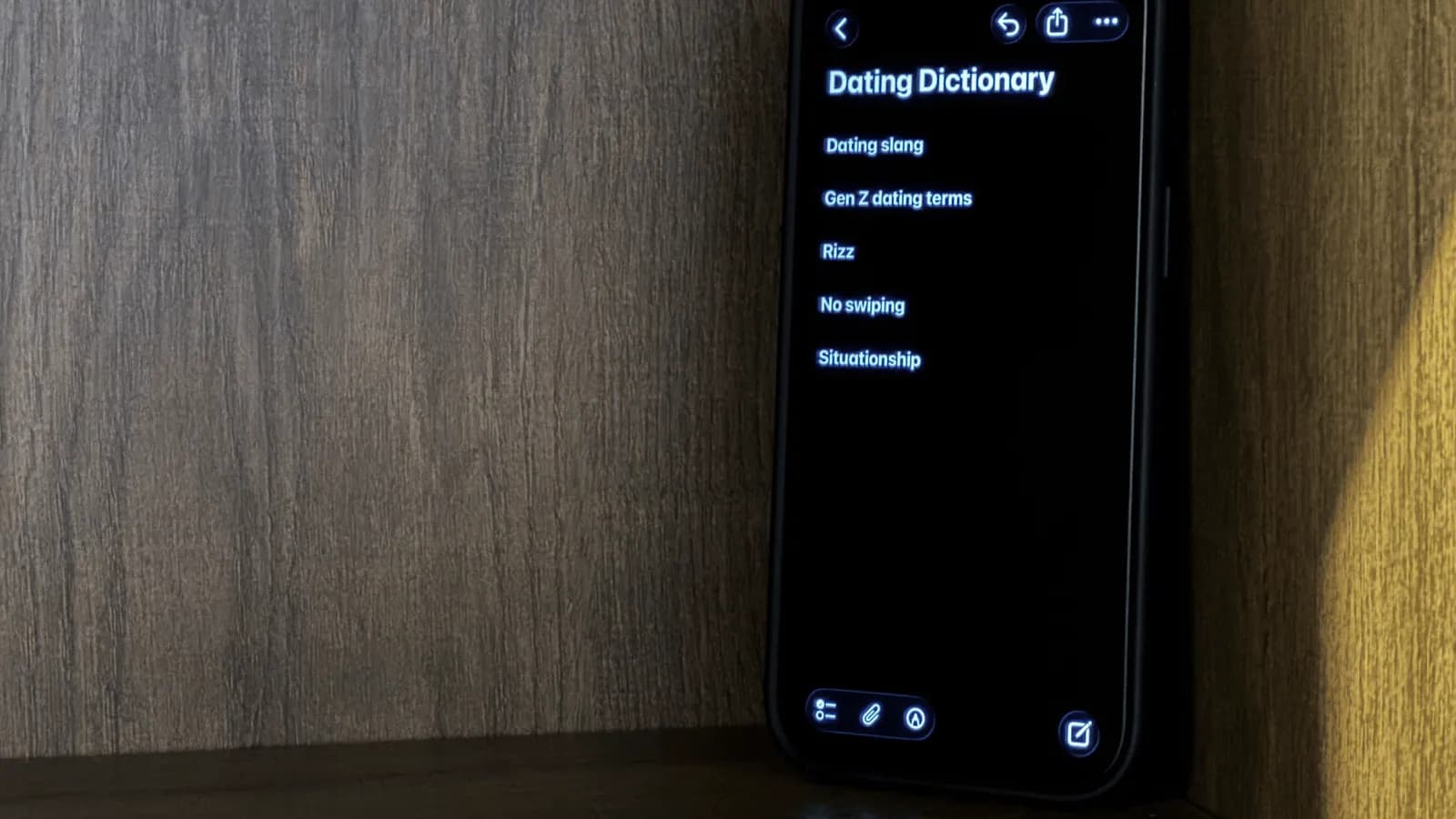
Dating has always had its own vocabulary.
What changes from year to year is which words become popular, what they are trying to describe, and whether they point to something genuinely changing in how people connect.
In 2026, many dating terms are less about romance itself and more about the frustrations around it.
- Unclear intentions.
- Low-effort conversations.
- Mixed signals.
- Dating app fatigue.
- Pressure to move quickly.
- The desire for more honest communication.
Some terms describe behaviours that have always existed. Others describe newer responses to modern dating culture. Either way, they are useful when they help people understand what is happening and communicate more clearly.
Here is a plain-English dating dictionary for 2026.
Clear-coding
Clear-coding means being direct about your intentions in dating instead of leaving everything ambiguous.
If you are looking for something serious, you say so.
If you are open to companionship, friendship, conversation, travel, mentorship, shared experiences, or something that develops slowly, you are honest about that too.
If you prefer to move at a slower pace, keep early conversations in-app, or understand someone better before meeting, you communicate that clearly.
Clear-coding is a response to the frustration of mixed signals.
Many people are tired of guessing what someone wants, over-reading messages, or spending weeks in a connection where the expectations were never actually aligned.
Clear-coding does not mean oversharing too early.
It does not mean forcing a relationship label immediately.
It simply means giving the other person enough clarity to understand whether the connection feels right for them too.
In modern dating, clarity can be attractive because it shows respect.
ROEmancing
ROEmancing comes from the idea of “return on investment,” but in dating, it refers to judging a potential connection mainly by what someone can offer in practical, lifestyle, or status terms.
The term is usually used critically.
It points to a dating pattern where income, status, lifestyle, access, or material comfort are considered before the person is understood as a person.
Practical compatibility can matter.
Lifestyle alignment can matter.
Ambition, stability, values, and future plans can all be real considerations.
The problem begins when those factors become more important than the person behind them.
A healthy connection should still leave room for curiosity, personality, kindness, humour, emotional presence, and respect.
ROEmancing is a useful term because it reminds people that dating should not reduce someone to what they can provide.
Slow dating
Slow dating is the choice to date with more attention, clarity, and respect for pace.
It does not mean avoiding new conversations.
It does not mean limiting yourself to one person immediately.
It means being more considered about how you choose, how you message, and how you continue.
Slow dating is a response to swipe fatigue and low-quality interactions. Instead of rushing through profiles or sending the same message to everyone, slow dating encourages people to read profiles properly, notice shared interests or profile signals, and start conversations with more care.
The goal is not to delay connection unnecessarily.
Some people may meet quickly.
Others may take more time.
The point is to let trust, comfort, and genuine interest develop at a pace that feels respectful for both people.
On a no-swipe platform like MatchCatch, slow dating can work especially well because users can browse with more context before deciding who feels worth reaching out to.
Situationship
A situationship is a romantic or semi-romantic connection that exists without a clear definition, commitment, or shared understanding of what it is.
It may feel like a relationship in some ways.
- There may be regular messages.
- Emotional closeness.
- Shared time.
- Romantic interest.
- Sometimes physical intimacy.
But there is no clear agreement about what the connection means or where it is going.
Situationships often develop when both people avoid the conversation about expectations.
At first, that can feel easier.
- No pressure.
- No label.
- No difficult conversation.
But over time, the lack of clarity can create anxiety, disappointment, or imbalance, especially if one person becomes more emotionally invested than the other.
A situationship is not always unhealthy.
Some people are comfortable with undefined connections.
The issue is whether both people truly understand and agree to the dynamic.
Benching
Benching means keeping someone in a holding pattern.
The person doing the benching maintains just enough contact to keep the other person interested, but not enough to build a real connection.
- They may reply occasionally.
- They may suggest meeting without following through.
- They may appear interested when convenient, then disappear when more effort is required.
The person being benched often feels confused because the connection is not fully ending, but it is not moving forward either.
Benching is frustrating because it keeps someone emotionally available without giving them clarity.
A respectful alternative is simple:
- Be honest if you are unsure.
- Be honest if your interest has changed.
- Do not keep someone waiting just because you want to preserve the option.
Breadcrumbing
Breadcrumbing is the practice of giving someone small signs of interest without offering real effort, consistency, or intention.
- A message after a long silence.
- A random like.
- A vague “we should catch up soon.”
- A compliment that restarts attention but does not lead anywhere.
Breadcrumbing can be conscious or unconscious.
- Sometimes people do it because they like attention.
- Sometimes they do it because they are unsure.
- Sometimes they do it because they want to keep a door open without actually walking through it.
Either way, the effect is similar.
The other person stays emotionally engaged while receiving very little in return.
In dating, consistency usually says more than occasional attention.
Orbiting
Orbiting happens when someone stops communicating directly but continues to watch or engage with your social media.
- They no longer message.
- They no longer make plans.
- They may have effectively stepped away from the connection.
But they still view your stories, like your posts, or maintain a quiet presence around your life.
Orbiting creates a strange kind of ambiguity.
Someone may be gone from the conversation but still visible enough to make you wonder whether the connection is truly over.
The healthiest response is usually to pay attention to direct behaviour, not passive presence.
Watching a story is not the same as showing up.
Rizz
Rizz refers to charisma, charm, or social ease in the context of attraction.
Someone with rizz knows how to make an interaction feel natural.
They may be confident, funny, attentive, relaxed, or good at making the other person feel seen.
Rizz is not only about looks.
It is also about energy, timing, emotional intelligence, and the ability to make conversation feel easy.
That said, real rizz is not manipulation.
It is not pressure.
It is not saying whatever someone wants to hear.
The most attractive kind of rizz is usually grounded in respect, confidence, and genuine attention.
Zombie-ing
Zombie-ing is when someone reappears after a long period of silence as if nothing happened.
- They may send a casual message.
- They may reply to an old conversation.
- They may act as though the disappearance was not significant.
Zombie-ing can feel unsettling because it asks the other person to ignore the silence and resume the connection without explanation.
Sometimes people reconnect sincerely.
- Life gets busy.
- Timing changes.
- People reflect and return with better intentions.
But a respectful return usually includes some acknowledgement.
If someone disappears and wants to come back, clarity matters.
A simple explanation can make a big difference.
Ghosting
Ghosting is when someone suddenly disappears from a conversation or connection without explanation.
- No reply.
- No closure.
- No clear ending.
Ghosting is common in modern dating, but that does not make it harmless.
It often leaves someone wondering what happened, whether they did something wrong, or whether the connection meant less than they thought.
Not every conversation needs a formal ending.
But if there has been meaningful time, emotional investment, or clear interest, a respectful message is usually kinder than disappearing.
Ghosting avoids discomfort in the short term, but it often creates confusion for the other person.
Soft-launching
Soft-launching is the act of hinting at a romantic connection publicly without fully revealing the person.
This might mean posting a photo of two drinks, a hand in the frame, a dinner table, or a travel moment without showing the other person clearly.
Soft-launching is common on social media because it lets someone signal that there may be someone in their life without making a full public announcement.
For some people, that feels fun.
For others, it is a privacy choice.
In modern dating, soft-launching also reflects a wider shift: people may want to share parts of their life while still keeping early connections private until trust and clarity grow.
Why dating terms matter
Dating terms are useful when they help people name what they are experiencing.
- They can make confusing behaviour easier to recognise.
- They can help someone explain why a dynamic feels uncomfortable.
- They can also make conversations about dating more honest.
But terms should not replace communication.
Calling something a situationship, breadcrumbing, or slow dating is only useful if it helps people understand each other better.
The best dating vocabulary is not about sounding current.
It is about becoming clearer.
- What do you want?
- What feels respectful?
- What kind of connection are you open to?
- What pace feels right?
- What behaviour feels good, and what behaviour does not?
Those questions matter more than the slang itself.
How MatchCatch supports clearer dating
MatchCatch is built for discreet companionship and intentional connections.
That means the experience is designed to support privacy, context, and more respectful communication.
There is no swiping.
There is no mutual match requirement before conversation can begin.
Users can browse with more context, notice shared interests and profile signals, and decide who feels worth reaching out to.
Women shown on Discover complete face verification before becoming visible.
For men, Membership unlocks full messaging access and premium features, supporting a more serious participation standard.
MatchCatch also includes privacy and safety features such as Incognito Mode, App Lock, discreet app icon options, private media controls, disappearing media, screenshot prevention, activity visibility settings, reporting, blocking, device-level protections, and restrictions on downloading, saving, or forwarding other users’ media through the app.
The platform is also designed to discourage low-effort conversation starters, helping conversations move away from empty openers and towards messages that feel more specific.
Dating terms may change.
But clarity, privacy, and respect remain important.
Frequently asked questions about dating terms in 2026
A clearer way to date
Dating vocabulary changes every year.
But the deeper need stays the same.
- People want to feel understood.
- They want honesty.
- They want effort.
- They want privacy.
- They want a connection that does not feel confusing, pressured, or one-sided.
The best dating terms are useful because they help people communicate better.
MatchCatch is built for people who want a safer, more thoughtful way to connect.
Verified. Private. Built for better connections.
Looking for dating with more clarity from the start? Discover MatchCatch, built for more meaningful connections with greater discretion.